Safety guide
Carbon monoxide and your furnace
A gas furnace that burns cleanly and vents properly is safe. One that does not can fill a house with a gas you cannot see or smell.
(509) 461-5781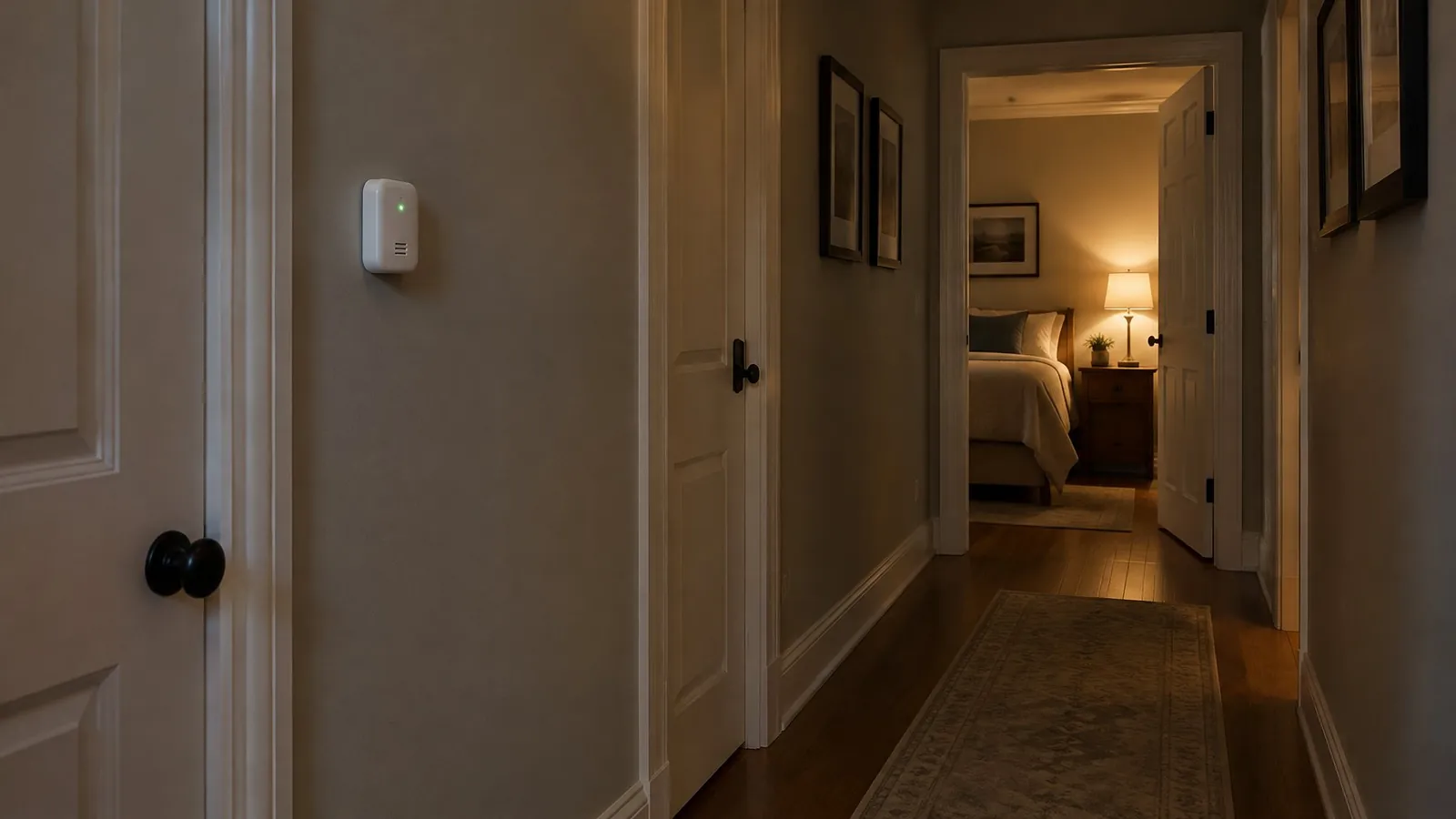
If an alarm sounds
Get everyone, pets included, into fresh air. Call 911 from outside. Do not go back in to find the source or open windows first.
Avista describes carbon monoxide as a colorless, odorless, toxic gas produced when fuel burns without enough oxygen. If you suspect CO, it asks you to get to fresh air and call 911 and then Avista at (800) 227-9187. Stay out until responders say it is safe.
Source: Avista natural gas safety.
How a furnace can produce or spread CO
A furnace makes combustion gases every time it runs. Trouble starts when they do not leave the house the way they should:
- a cracked heat exchanger lets exhaust mix with the air the blower sends to the rooms
- a vent pipe that is disconnected, rusted through or blocked by snow, ice or a bird's nest
- a chimney that no longer drafts properly after a furnace change
- burners that run dirty and make more CO than they should
These are the things a yearly tune-up looks at. They are also why a technician may shut off and tag a furnace that fails a safety check.
What Washington law requires
Washington's building code law, RCW 19.27.530, directs the state building code council to require carbon monoxide alarms in residential buildings. New residential buildings needed them by January 1, 2011, and other residential buildings by January 1, 2013.
There is an exception. A single-family home lived in by its owner, and legally occupied before July 26, 2009, is exempt. Once such a home is sold, though, the seller must install CO alarms before the buyer can legally move in.
In a rental, the law makes the tenant responsible for maintaining the alarm, including batteries, as the manufacturer specifies.
Source: RCW 19.27.530, Washington State Legislature. This is a summary, not legal advice.
Practical steps
- Place and mount alarms as the manufacturer's instructions say, and test them with the button.
- Replace alarms at the end of the life printed on them.
- Keep outside vent pipes clear after every heavy snow.
- Never run a generator, grill or car in a garage attached to the house.
- Have the furnace inspected yearly, including the heat exchanger and venting.
Where these facts come from
Cold house in Spokane? Talk to a contractor now.
Dial the number and explain what the heat or cooling is doing. The person who picks up runs an independent HVAC business working in Spokane and the towns nearby.